
Whoa. I know that sounds dramatic, but hear me out. Logging into an exchange used to be a shrug; now it’s a little ritual. Something felt off about how many steps we tolerate just to see a balance. My instinct said: this is worth unpacking.
Okay, so check this out—if you’re a trader in the US, you probably want speed, security, and clarity. Right? But those three don’t always get along. At first glance OKX looks slick and fast. Seriously? Yep. But actually, wait—let me rephrase that: the experience is slick where it counts, and clunky around some security edge cases.
Here’s the thing. I log into exchanges a lot. Not bragging—just the job. My first impression of OKX was “clean interface,” then I hit a verification wall and thought, hmm… that’s interesting. On one hand the layered defenses make me feel safer, though actually I do resent the friction when I’m trying to move fast. Initially I thought it was overkill, but then realized that many of those steps stop real attacks. So there’s nuance.
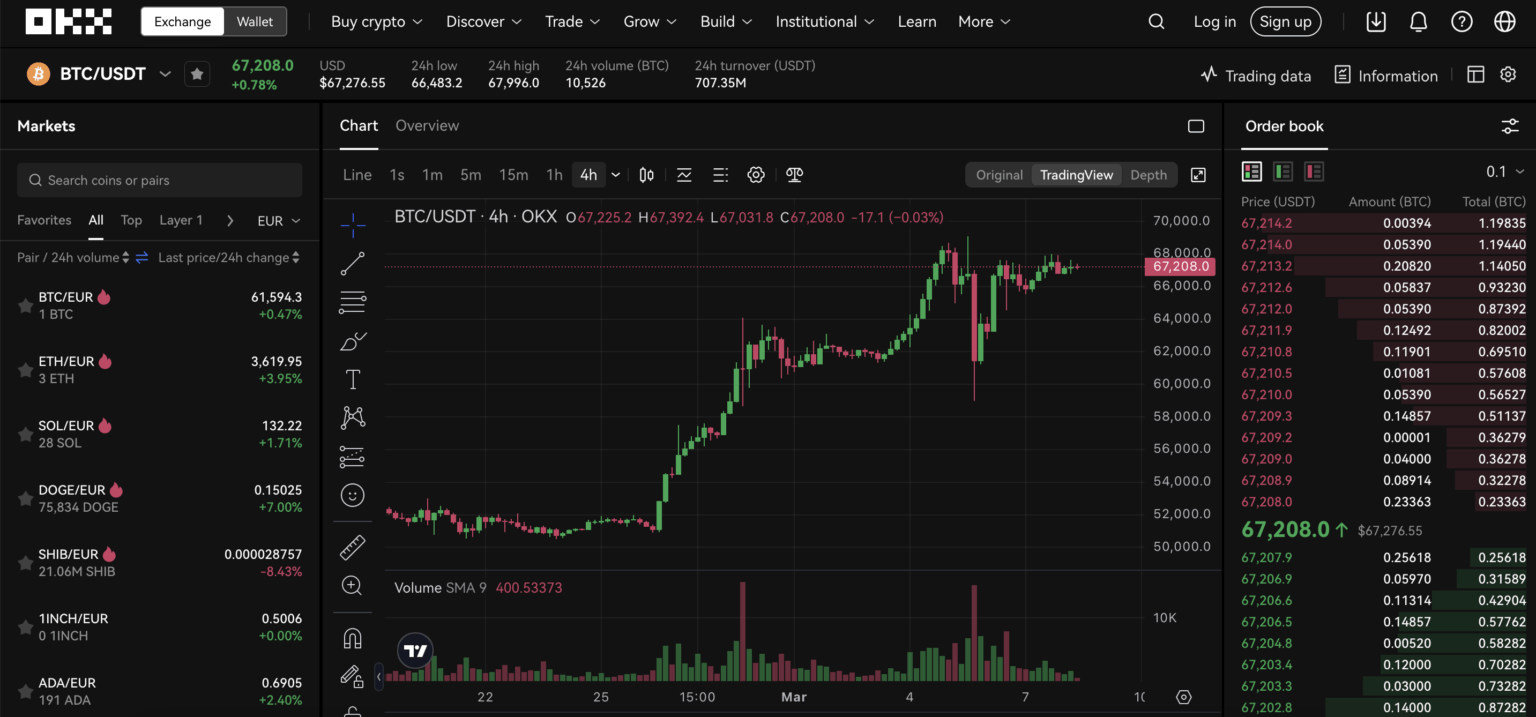
First-time login: expectations vs. reality
Short version: prepare. Long version: you’ll be asked for email or phone, password, and then multi-factor auth if enabled—usually an authenticator app or SMS. Some people use hardware keys; that’s the gold standard, honestly. I’m biased, but YubiKey-type devices are worth the fuss if you hold sizable funds.
My gut reaction the first time I set up OKX was mildly annoyed—too many prompts. Then an “aha” hit: those prompts drastically reduce account-takeover risk. On the flip side, if you’ve ever been locked out because you lost your 2FA device, you know that recovery can be a headache. Plan ahead. Seriously.
Practical tip: bookmark the official OKX sign-in page you trust. If you want a direct option for a quick check, here’s a resource I’ve used: okx login. It’s not flashy, but it’s a straightforward entry point for many folks.
Common friction points and how to smooth them
Wow! Little things trip people up. Like typing a complex password on mobile, or not having your phone ready for 2FA. Another is device recognition prompts that ask you to confirm an unfamiliar location—oh, and by the way, traveling? Expect extra verification. My experience: keep a secondary 2FA method saved somewhere safe.
One practical hack: use an authenticator app instead of SMS. SMS is convenient, yes, but it’s also more vulnerable to SIM-swap attacks. Something I always tell friends: a password manager + auth app combo is very very important. It saves time and reduces mistakes.
On account recovery—this is where many stumble. If you lose access to your 2FA, OKX has a recovery process that includes identity checks. It’s thorough, which is good, though slow. I’m not 100% sure of every step (they update procedures), but expect to provide ID and possibly live verification.
Wallet integration and managing funds
OKX isn’t just an exchange; it’s also got wallet features. That matters. If you’re the type who moves funds between hot and cold wallets, you want clarity on withdrawal limits, whitelisting, and internal transfers. My instinct said “use whitelists”—and honestly, that has prevented sketchy withdrawals more than once.
Pro tip: set withdrawal whitelist addresses and enable withdrawal confirmations. It adds steps, yes, but it also blocks quick, unauthorized drain attempts. On the other hand, if you trade fast and often, this can feel like a drag—so balance security with workflow.
Also: check token support and deposit addresses carefully. I’ve seen people send coins to the wrong chain and… yeah, that part bugs me. Double-check network selections. One wrong click, and recovery is messy or impossible.
Trading UX: login to first trade
First trade usually goes like this: log in, connect wallet or deposit, set up any leverage preferences, and then execute. Short workflow—if everything’s set. Longer if KYC or limits kick in. My working theory: exchanges try to optimize for speed but can’t ignore compliance and risk controls.
Here’s a small anecdote: once I tried to place a margin order and hit a confirmation block because my account was flagged for a routine risk review. That was annoying in the moment, but later I realized it prevented a potentially dangerous position given market volatility. So annoyances sometimes save you money—go figure.
Security hygiene I actually follow
I’m going to be honest: I don’t enable every single toggle on every platform, but on OKX I do these things consistently—use a strong unique password via manager, enable app-based 2FA, whitelist withdrawal addresses, and keep a hardware key for big moves. I’m biased toward hardware keys for cold storage ops.
Do backups of your seed phrases. Seriously. I’ve seen people store seeds in cloud notes and then panic. Don’t do that. Write it down on paper or use an encrypted hardware vault. Again, maybe obvious—yet people slip.
FAQ
How do I perform an OKX sign in securely?
Use a unique password from a password manager, enable an authenticator app for 2FA, and consider a hardware key for higher security. Bookmark the trusted login page to avoid phishing; the link I mentioned earlier—okx login—is one way to keep a go-to entry point.
Can I link my OKX wallet to other apps?
Yes. You can connect your wallet for DeFi interactions or DApp usage, but be mindful: approve only trusted smart contracts and confirm transaction details. My rule: if it’s unfamiliar, research first or test with a tiny amount.
What if I lose my 2FA device?
Recovery typically involves identity verification and takes time. Keep backup codes in a safe place. If you anticipate travel or device changes, generate backup codes ahead of time. That small prep saves a headache later.
Okay—here’s where I wrap, kinda. I’m more curious now than before I started writing. Initially I felt annoyed by login friction; now I’m convinced the trade-off leans toward safety for most users. There’s still room to improve convenience without sacrificing security, though—innovation opportunity. I don’t have all the answers, but practical steps above will make the process less painful.
One last thing—if you trade actively, audit your setup every few months. Policies change, new attack vectors appear, and honestly, we adapt or get surprised. Keep a small checklist, check it, and you’ll thank yourself later… or at least avoid a nasty afternoon.